

 حسام عمار
 5 Reel Pokies House Edge And Odds: Reading The Fine Print

When you sit down with a 5 reel pokie, the numbers on screen tell one story, and the maths behind the curtain tells another. House edge and odds are not the same thing, and confusing them is how players end up chasing losses they could have managed from the start. As a wagering executive who has sat through licensing audits and retention reviews, I can tell you that operators design paytables, hit frequencies, and bonus triggers to hold a predictable share over time. That does not mean every session is stacked against you, but it does mean you need to read the rules the same way you would read a product spec. For a clear starting point on how operators structure incentives around that edge, see this overview before you commit any bankroll.
How the edge actually sits in a 5 reel pokie
A 5 reel pokie is built on a fixed return-to-player framework, which is the inverse of house edge. If a machine is set to return 94 percent over the long run, the operator’s hold is the remaining 6 percent, and that figure is baked into symbol weights, payline geometry, and bonus contribution rates. What changes from game to game is volatility, not the underlying edge, so a low-variance title may pay small wins often while a high-variance one holds back for rarer feature triggers. The gambler’s fallacy is the false belief that past spins influence future independent spins, and it is the single most expensive habit I see in player support logs. Each spin is a fresh event, which means a cold run does not make a feature “due,” and a hot run does not signal a machine that has loosened up. Ava Morris, Gaming Technology Consultant, Daintree Digital Ventures, puts it plainly: the paytable is a disclosure document, not a promise, and players who treat it as one tend to misread both odds and risk.
Bonus offers, wagering, and where the edge shifts
Welcome bonuses and recurring promos look generous until you read the wagering multiple, game weighting, and contribution caps. A typical structure might offer a match deposit with a 25x rollover on bonus funds, but the fine print usually caps cashout our online business card on wagering winnings and excludes the highest-edge titles from counting at full value. Game contribution matters because a pokie that counts at 100 percent clears rollover faster than a table game counting at 10 percent, yet the same pokie often carries a higher hold, so you are trading speed for cost. Eligibility windows, maximum bet limits during bonus play, and country restrictions all shape whether a promotion is usable or just a headline figure. Alice Edwards, Payments Strategy Director, Koala Digital Group, notes that payment routing and currency conversion can quietly add friction, especially when a promo is denominated in one currency and your deposit settles in another. No worries, the maths is still the maths, but you should treat a bonus as a temporary extension of playtime, not a reset of the house edge.
Reading odds across regions and sessions
Odds in pokies are expressed through hit frequency, average spin return, and feature trigger rates, and none of those figures guarantee a short-term result. Regional Queensland venues and regional operators sometimes publish payout audits or machine certifications, which is a fair go for players who want to see that a title is running on its advertised configuration. A “shoe” is the box that holds and dispenses multiple decks of cards, and while that term belongs to table games, the same principle of physical or software configuration applies to how a pokie’s reels are weighted behind the scenes. Session length, bet size, and stop rules matter more than any single spin because the edge compounds over volume, not over a handful of rounds. Charlotte Wilson, Lead Gaming Analyst, Swan River Interactive, observes that players who set a loss limit and a time boundary before spinning tend to keep their expected loss closer to the modelled figure, which is defo the more sensible way to approach any fixed-edge game.
What to check before you spin
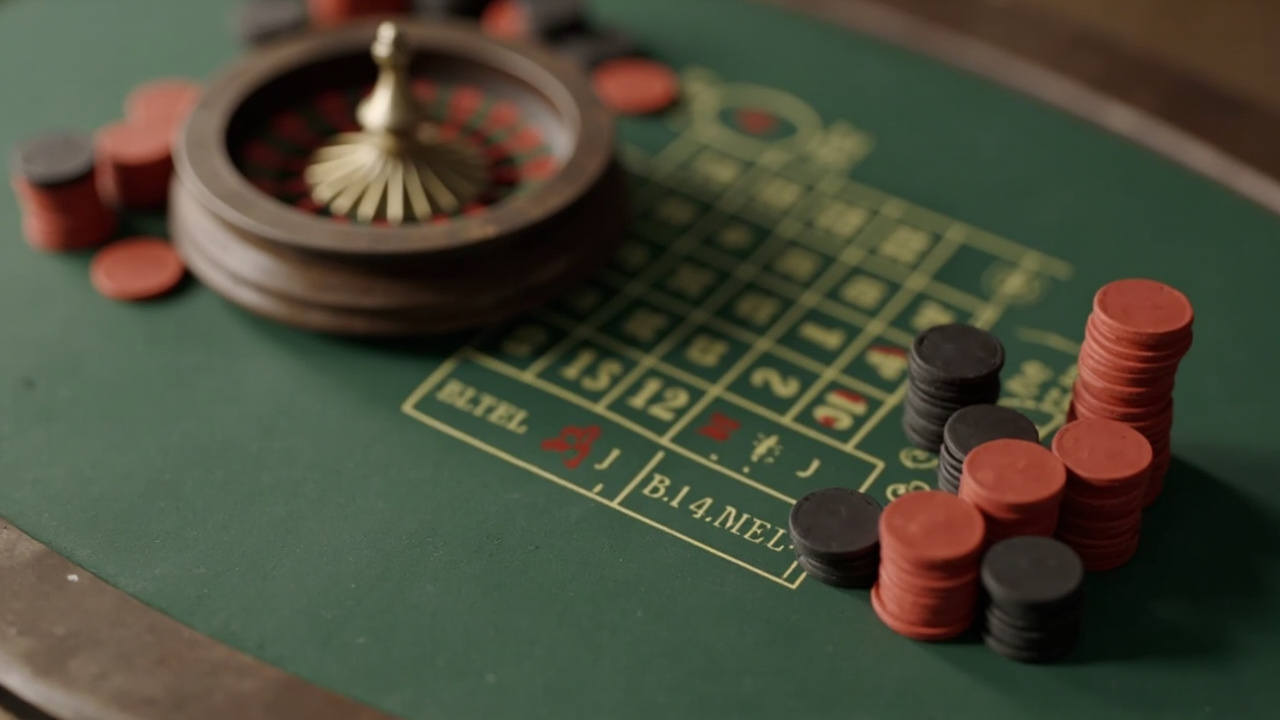
Before you register or load a balance, check the licence displayed in the footer, the currency you will actually be billed in, and whether mobile play mirrors the desktop paytable and bonus terms. Registration should require age verification and geo confirmation, and support should be reachable during the hours you plan to play, because a bonus dispute resolved three days later is not much use when you are trying to understand a locked rollover. Loyalty tiers and recurring promos often reward frequency rather than edge, so a points scheme can feel busy as a market day without changing the underlying hold on the games you play most. Payment methods, processing times, and any minimum withdrawal thresholds should be read alongside the bonus terms, because a low edge game with a high withdrawal minimum can still tie up your bankroll longer than you intended. The right approach is to treat every offer as a set of conditions, compare them against your own stop rules, and decide whether the playtime they buy is worth the cost they carry.European And American Roulette House Edge
- Return-to-player: the long-run percentage a game is configured to pay back to wagers, before individual session variance.
- House edge: the operator’s expected hold, calculated as the inverse of return-to-player over the game’s designed cycle.
- Hit frequency: how often a spin produces any win, regardless of size, which shapes session rhythm more than average return.
- Volatility: the spread of win sizes and trigger timing, which determines whether results cluster small and often or arrive in rarer bursts.
- Wagering requirement: the multiple of bonus or deposit funds you must stake before any related winnings become withdrawable.